All posts by no14plusminus

Education for Sustainable Development

Education for sustainable development: By providing education in a rural area, we equip students with knowledge and skills related to sustainable development. Our curriculum will incorporate subjects such as environmental conservation, renewable energy, waste management, and sustainable agriculture. This education empowers students to become environmentally conscious and responsible citizens who can contribute to the sustainable development of their community.

Empowering the local community: A school can serve as a hub for community development. By involving the local community in the construction and operation of the school, we aim to create employment opportunities and stimulate the local economy. Engaging community members as teachers, support staff, or volunteers helps build a sense of ownership and empowers them to actively participate in the sustainable development of their own community.

Improved agricultural practices: Many rural areas rely on agriculture as the primary livelihood. By integrating agricultural education into the school’s curriculum, students can learn modern and sustainable farming techniques. This knowledge can be shared with their families and the broader community, leading to improved agricultural practices, increased crop yields, and better resource management. Sustainable farming practices, such as organic farming, conservation agriculture, and agroforestry, will be promoted to protect the environment and enhance long-term food security.

Access to clean energy: Building a school in a rural area will also include providing access to clean energy sources. We will install solar panels to power the school, providing a reliable and sustainable energy source. Additionally, the school will serve as a training center for renewable energy technologies, educating students and community members about clean energy solutions, promoting their adoption, and reducing reliance on fossil fuels.

Health and sanitation awareness: Schools can play a crucial role in promoting health and sanitation practices. Integrating health education into the curriculum can raise awareness about hygiene, sanitation, disease prevention, and reproductive health. Students will become advocates for health within their families and the community, disseminating knowledge and promoting sustainable health practices.

Community resilience and empowerment: Do you see how much help we get? By building a school in a rural area, we contribute to community resilience and empowerment. Education equips individuals with critical thinking skills, problem-solving abilities, and knowledge of their rights and responsibilities. This empowers them to actively engage in decision-making processes, advocate for their needs, and participate in sustainable development initiatives. By fostering a culture of education, we wish to strengthen the community’s ability to address challenges and create a sustainable future.

How to Become a Long-Distance Parent

Dear fellow-readers and followers of this website: anyone can become a long-distance parent and look after a child from our community.

How does this work? You get in touch, either through the Contact form on this website, or via Facebook (as many of you prefer this, and wish to interact with me directly:

https://www.facebook.com/elenaveronicanghelescu

You can send a friend-request (I no longer mind… I gave up the idea that any kind of privacy is possible for me any longer… but it is alright) or contact us through any of our official pages there:

https://www.facebook.com/helponechildthriveafrica

We will give a child to your care (you cannot choose; this would be damaging for your soul, so I will assign to you the child that needs you the most).

You will only look after one child. You will be able to see everything that is being bought for the child, you will communicate with the child (but you can also opt out of this). You will be able to see the change that you bring in this world. We will become friends and partners in making this world a better place.

We are firm believers in the fact that anyone can make this world a better place. One of our dearest sponsors can only offer 5 euros per month. This sweet person has given those funds with such love, that we have always managed to put them to maximum use; the little boy in her care received meat or eggs and managed to remain strong and grow up well, despite the fact that he is HIV-positive.

At HOCT, we resolve to use every cent that you send us, and to show you where it went. The results are beautiful; the children change, and so do you. They grow up, and so does your merit.

Come and join HOCT, take care of a child from Africa. It will make your heart blossom, I promise this to you.

Hard Work, Good Food

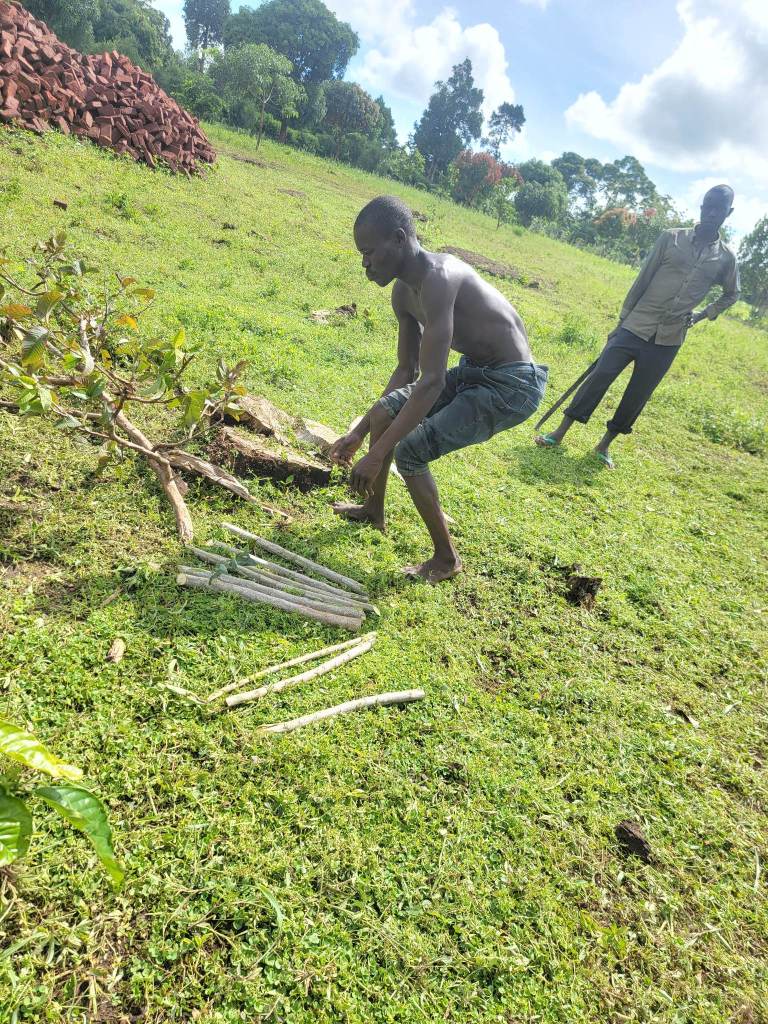
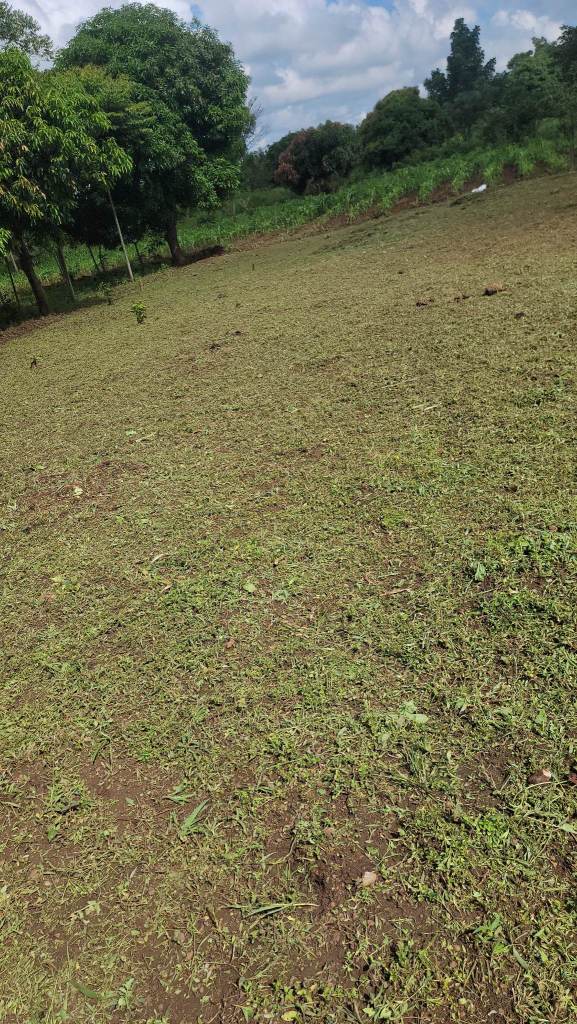
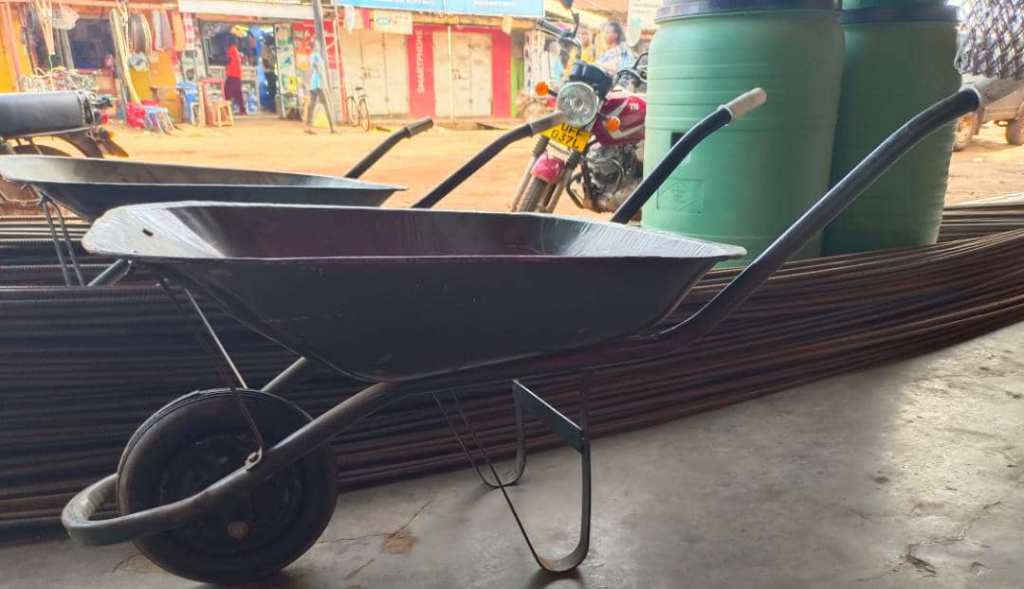
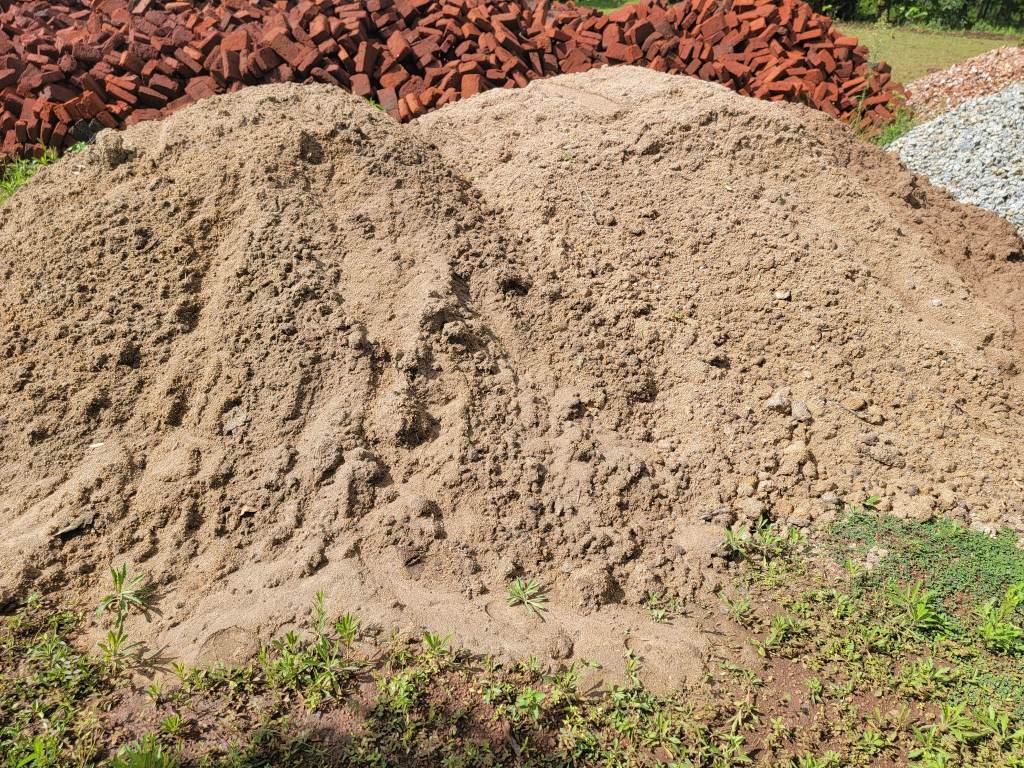
Over time, we have created a lot of jobs in the village. As school construction progresses, workers are putting their best efforts in. The marrum soil is filling the foundation perimeter.

Each day, food is cooked fresh for our workers. Other food items could not be included in the pictures. Rest assured, they have everything they need and even more.

I should thank so many people, a list of 58 names! Friends, you all know who you are, the good people that offered me a gift on my Birthday: it goes daily towards their food and drinks.

Thank you, thank you, thank you.
It is a good day for humanity, a good day of my life. People are eating, I am happy.

School Construction Progress

Our school is slowly taking shape. We continue on striving because we believe in the power of education.

Uganda is one of the poorest countries in the world, with a large proportion of the population living below the poverty line. Education is key to breaking this cycle of poverty, as it equips individuals with the knowledge and skills needed to secure better-paying jobs and improve their standard of living.

Education is also closely linked to better health outcomes, as individuals who are educated are more likely to have a better understanding of health issues and take steps to prevent diseases. This is particularly important in Uganda, where the prevalence of diseases like HIV/AIDS and malaria is high.

Uganda is a patriarchal society, and women and girls often face significant barriers to accessing education. Education is crucial in promoting gender equality and empowering women and girls to reach their full potential.

Education is a key driver of economic growth, as it enables individuals to acquire the skills needed to participate in the workforce and contribute to the development of the country’s economy.