Just a normal day at Help One Child Thrive
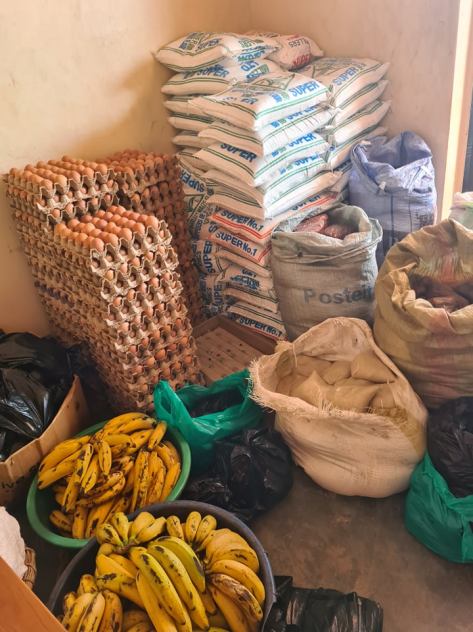
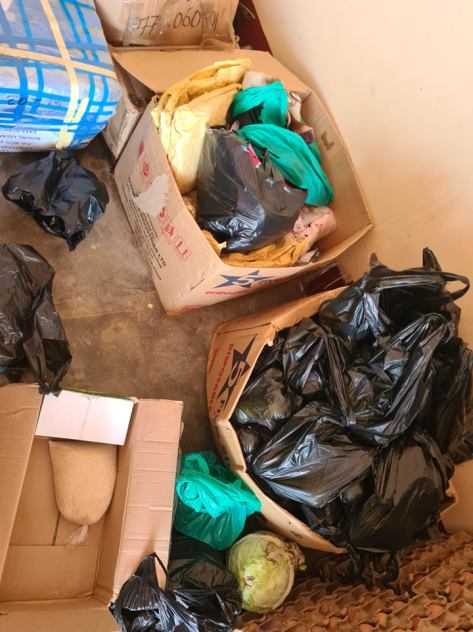
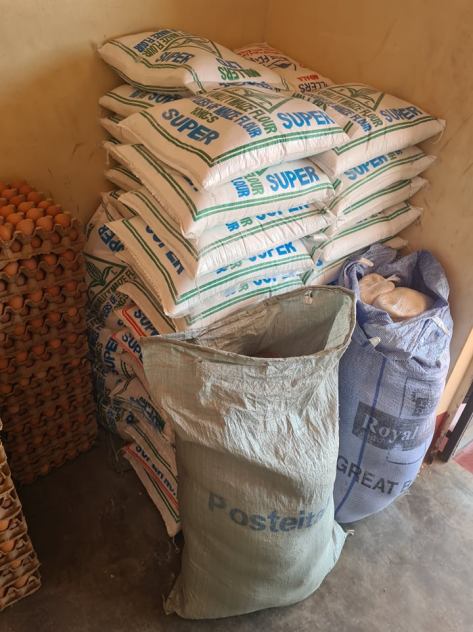
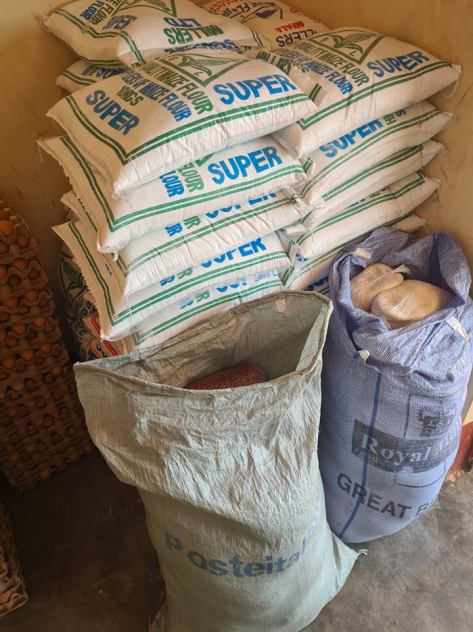
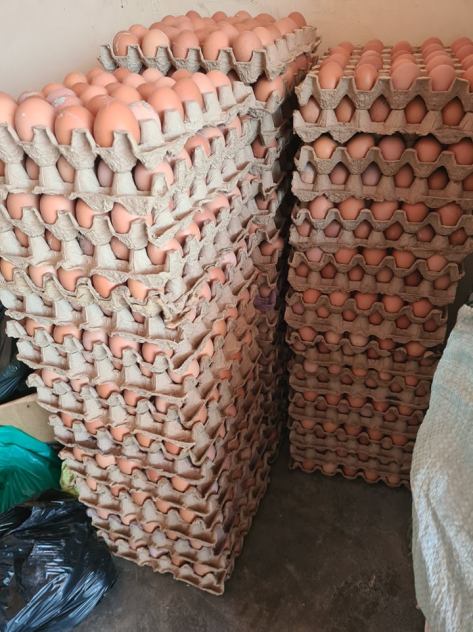
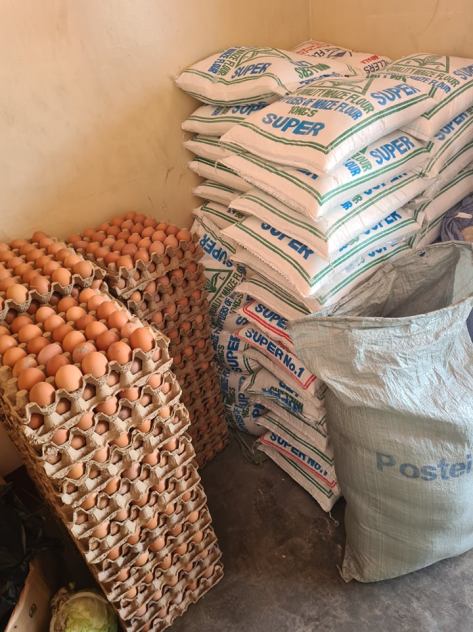
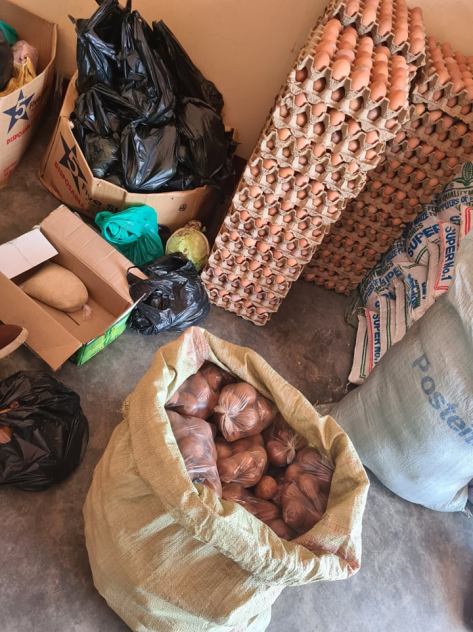
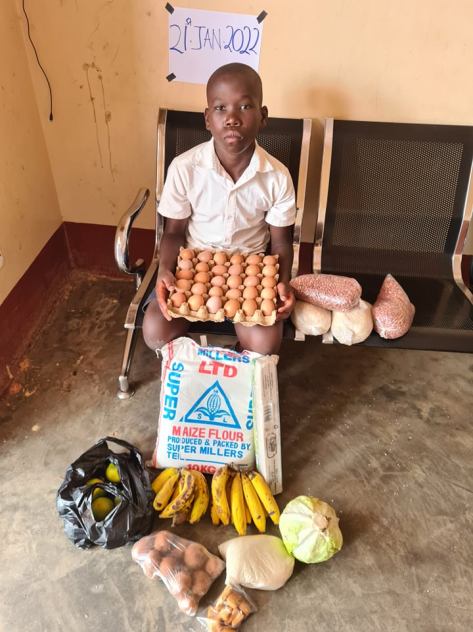
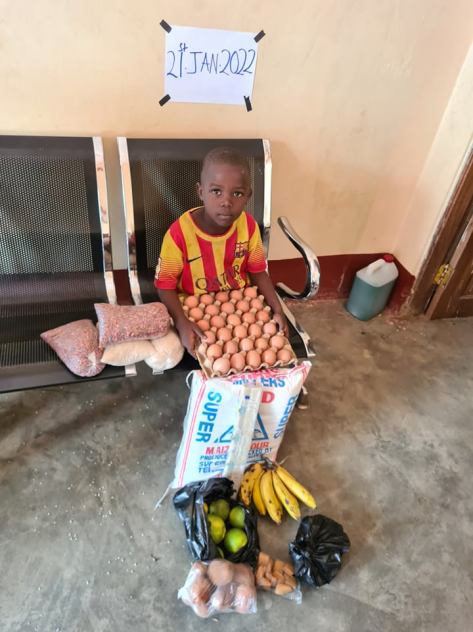
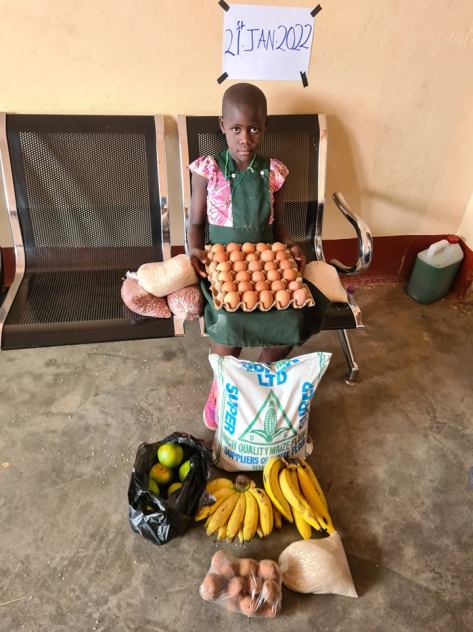
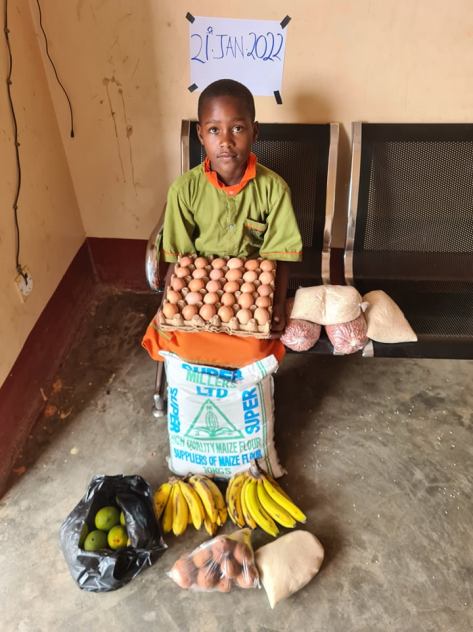
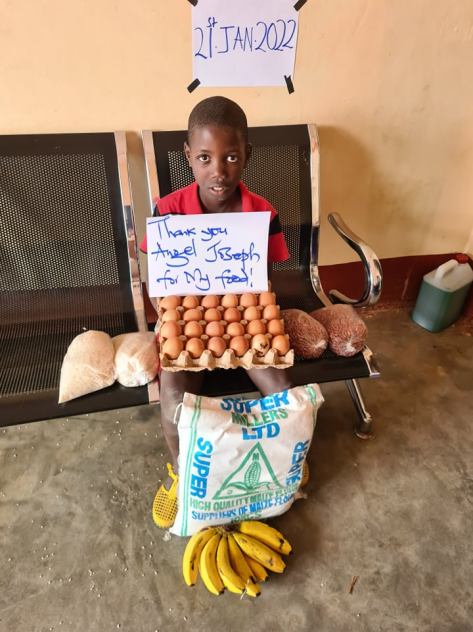
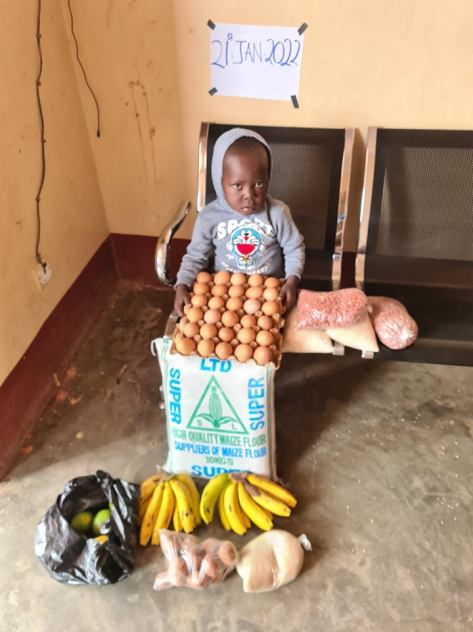
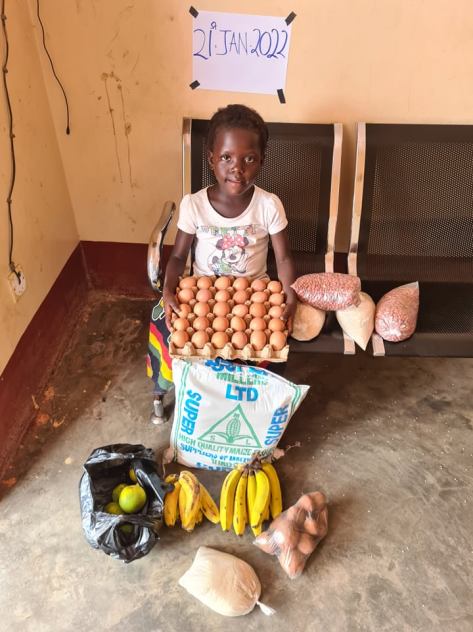
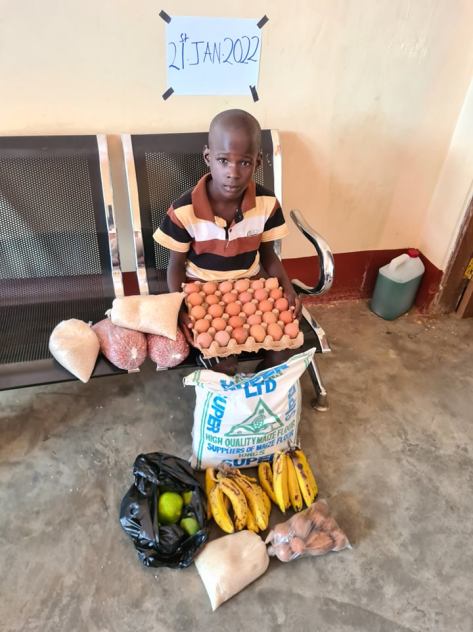
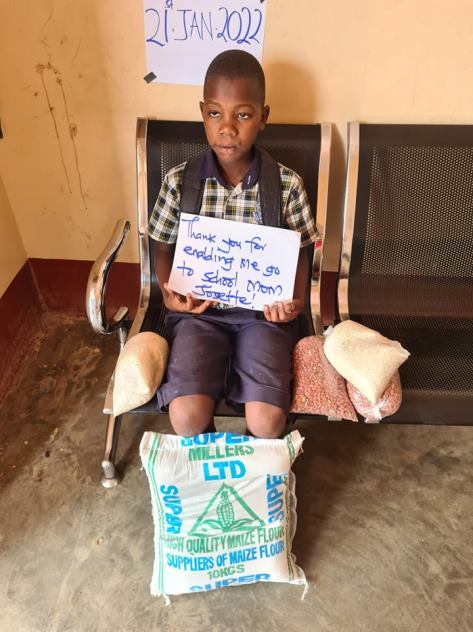
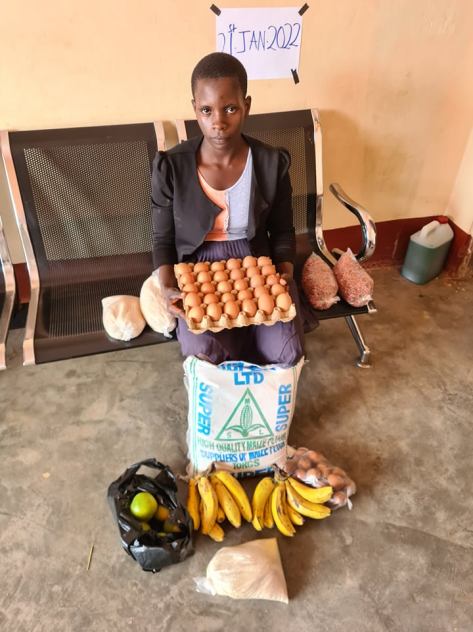
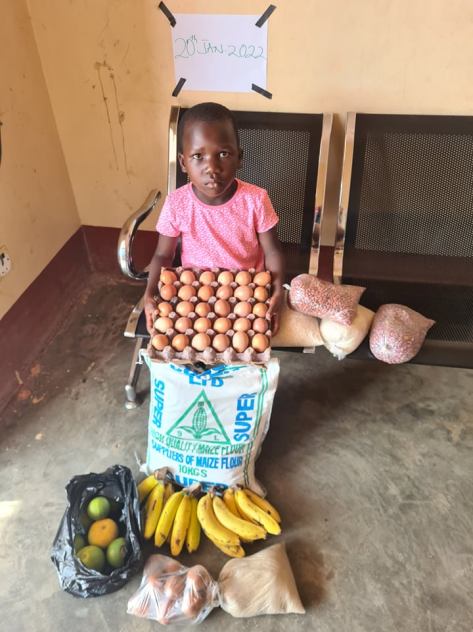
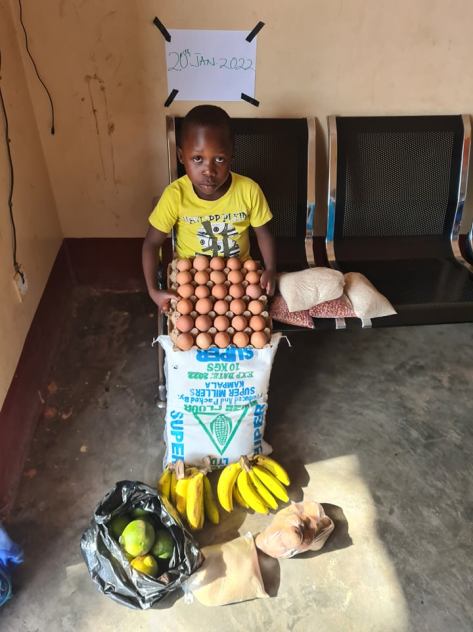
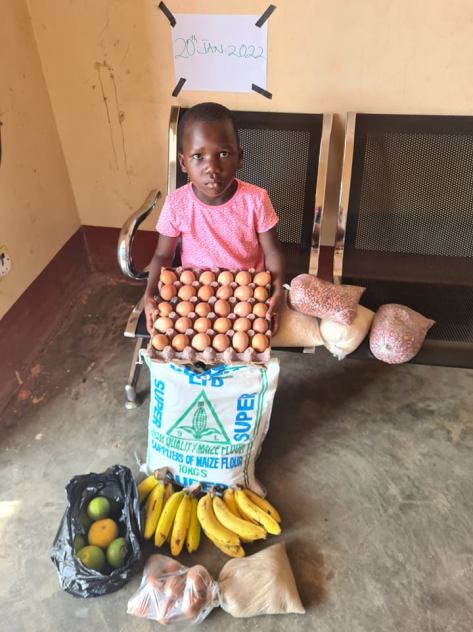
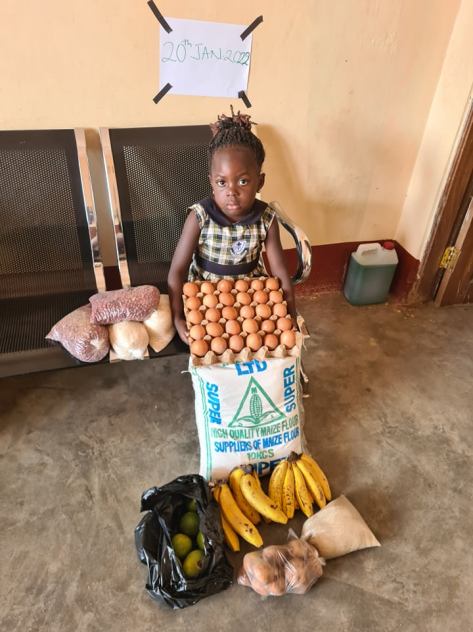
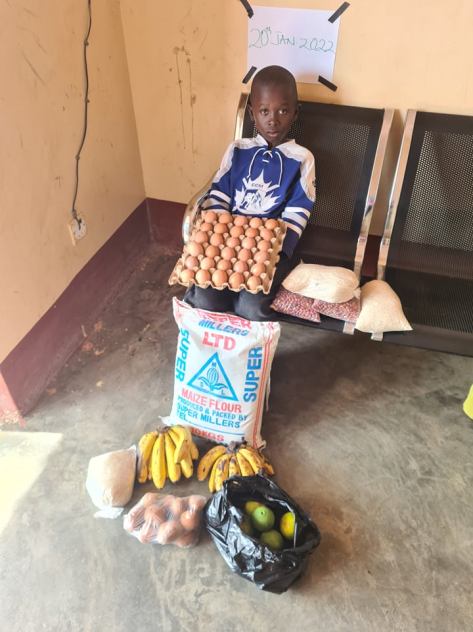
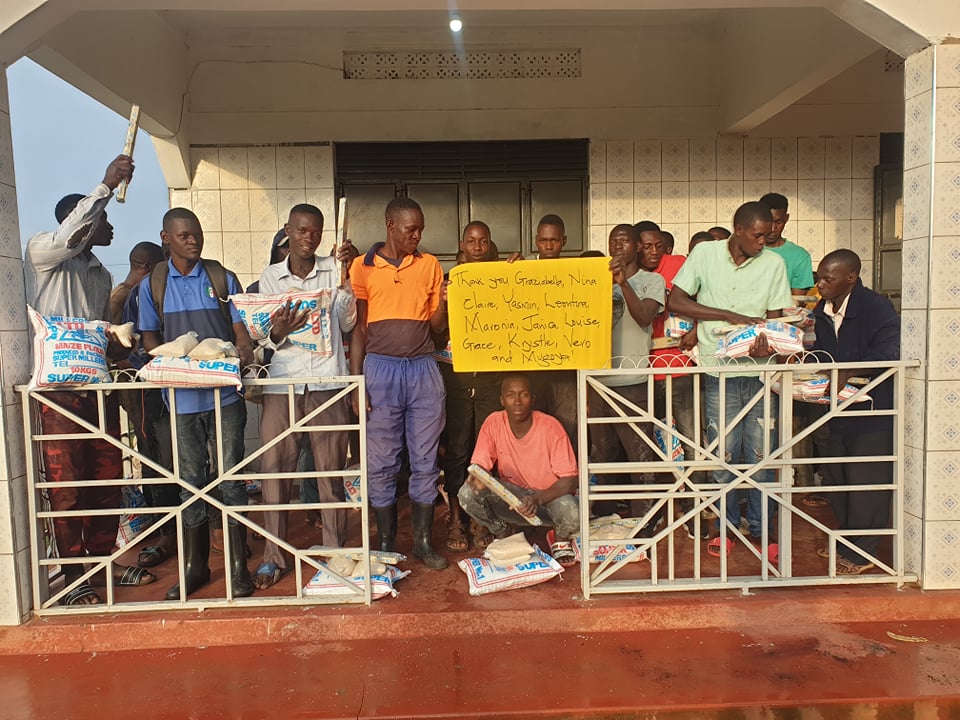
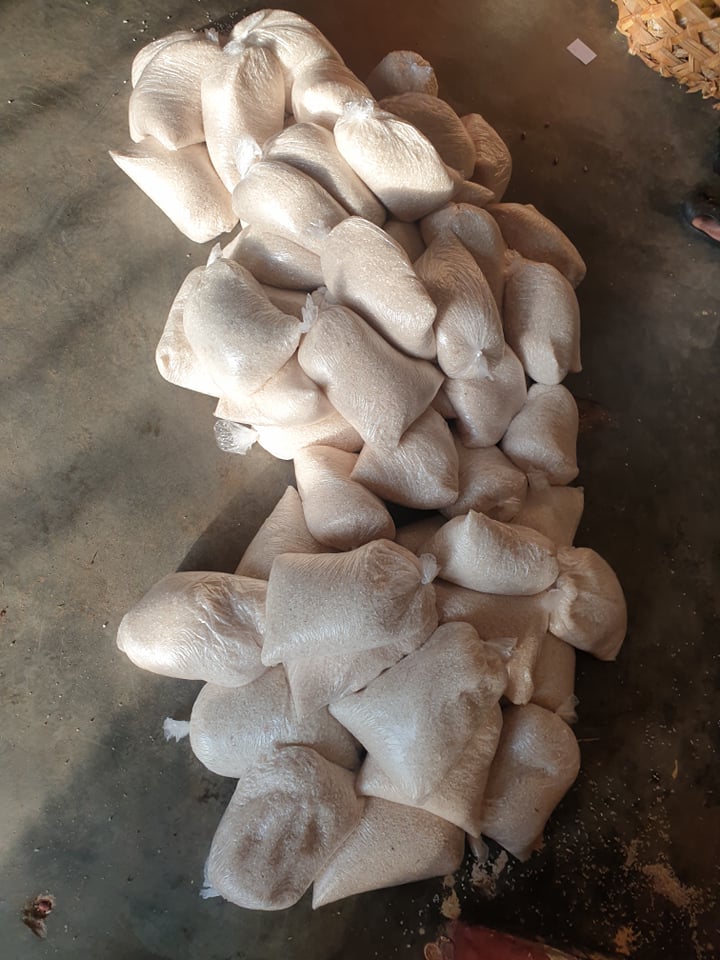
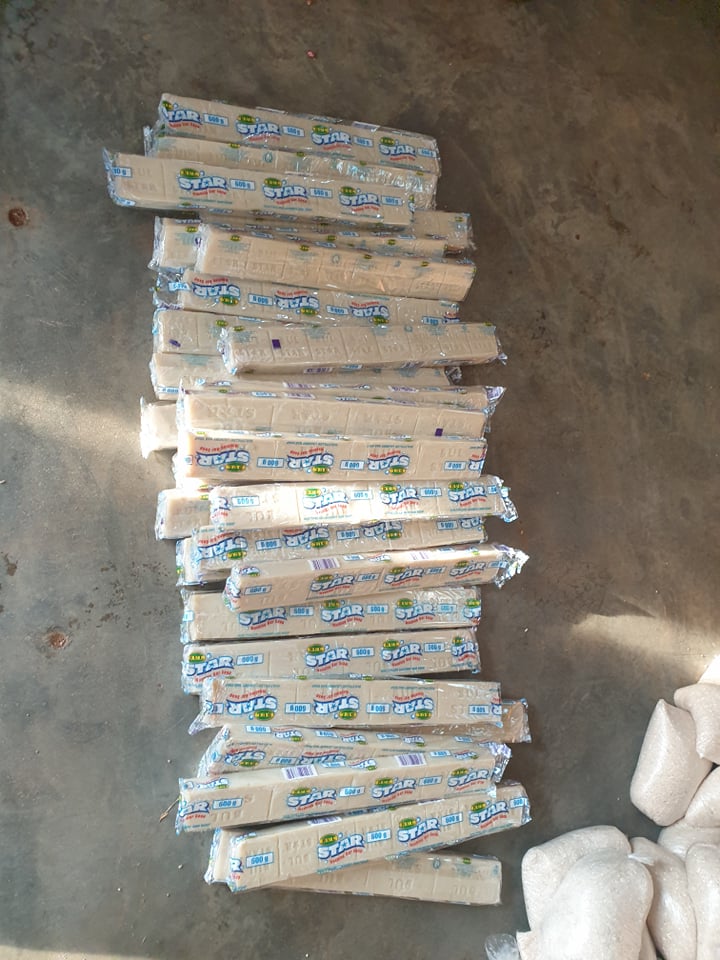
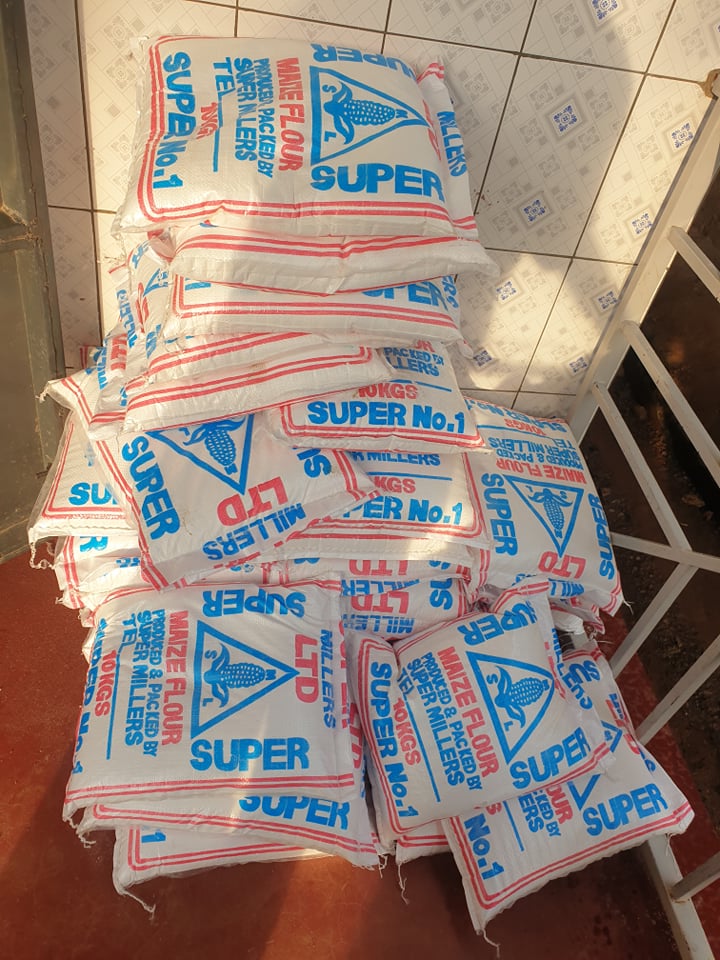
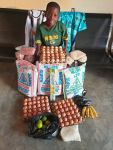
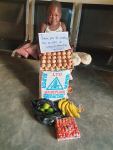
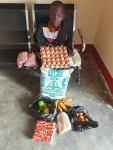
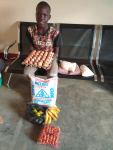
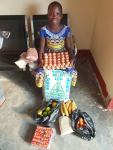
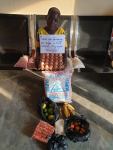
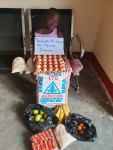
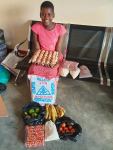
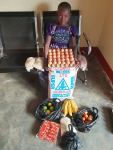
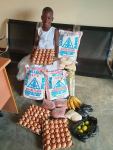
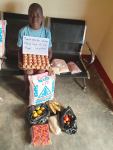
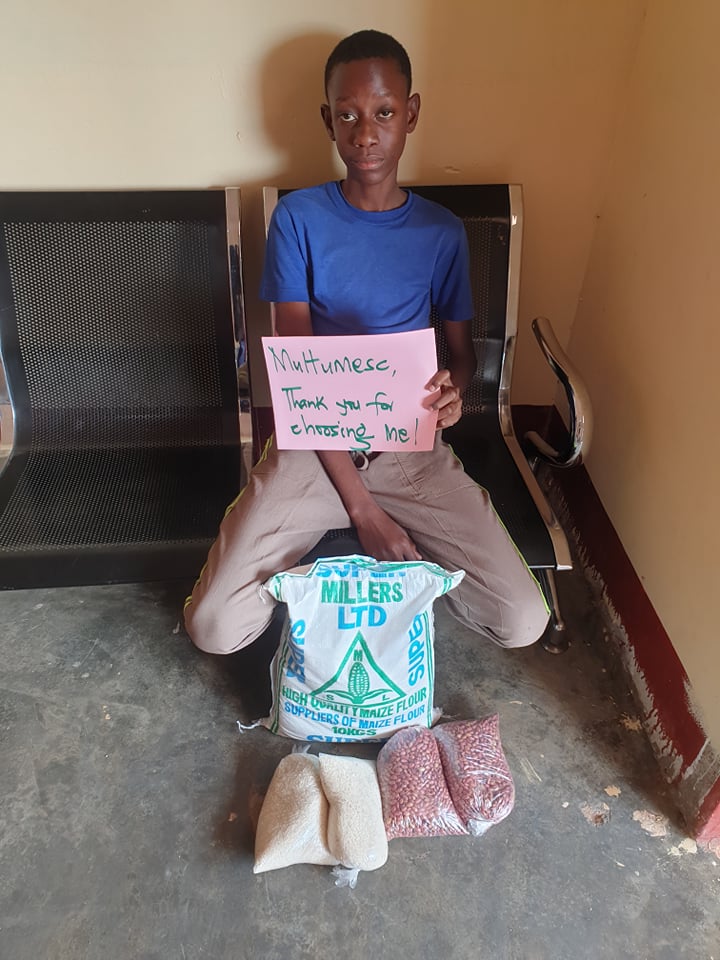
Food distribution is taking place. This is food only for a day.
About 80 children will benefit from it.
Hard, hope-filled work!

Just a normal day at Help One Child Thrive
Food distribution is taking place. This is food only for a day.
About 80 children will benefit from it.
Hard, hope-filled work!
Despite all difficulties we are constantly facing, our work is always moving on.
We will never let a child hungry!

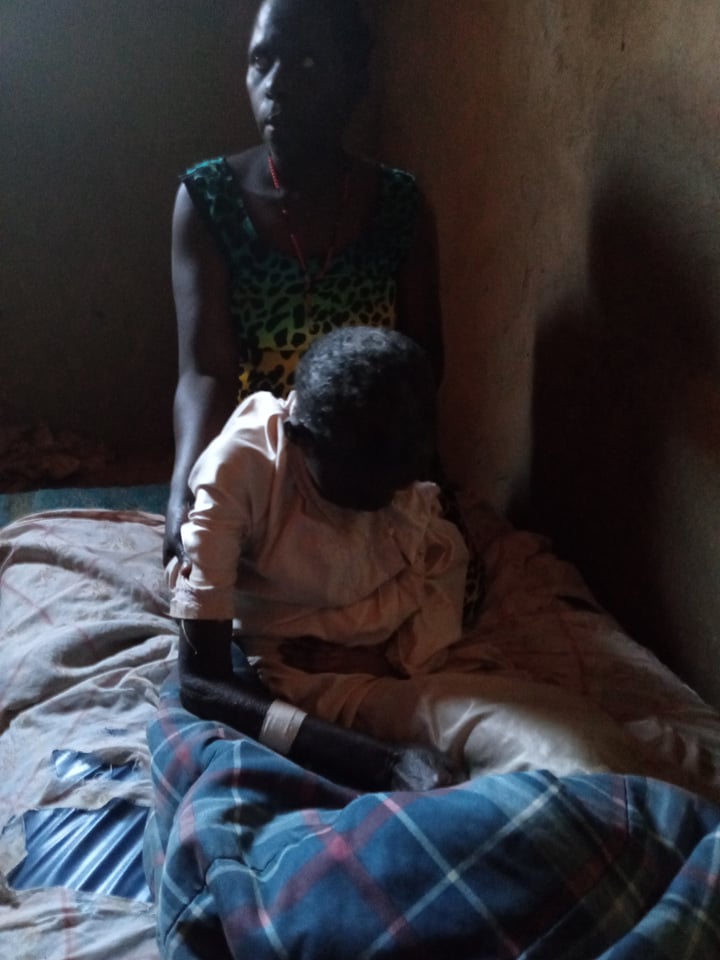
In Uganda, life is brutal, unless you are rich. The people I know, they are not rich. The people I know and I serve are very poor: malnourished children, orphans, old grandparents caring after one, two or more nephews and nieces after their own parents died. They are suffering from the most unimaginable diseases, they are dirty, hungry, they have nowhere to sleep, their wounds covered in dirt and puss.
Apart from helping these people through the generous help of the army of voluntaries and good people all around me, I take time to observe, to study them and to learn from them – to better understand their culture. We are so different and yet, all of us… we are just people.
What does it mean to live in those far-away villages? Very often, living = struggling to stay alive. It means finding water do drink, finding something to eat, finding a place to sleep.
Shelter. The third one is apparently… simple. Older people easily shelter children, even if they cannot feed them. Or you just cuddle on to the porch of some house, or wherever you can find a covered shelter to protect yourself from the rain that falls often. What you cannot protect yourself from, is the danger of the mosquitoes, the bite of which can cause malaria, and death. Is it really simple? Unless you are inside, carefully covered in a solid, good-quality mosquito net, if you sleep under the stars, you risk being dead in about two weeks.
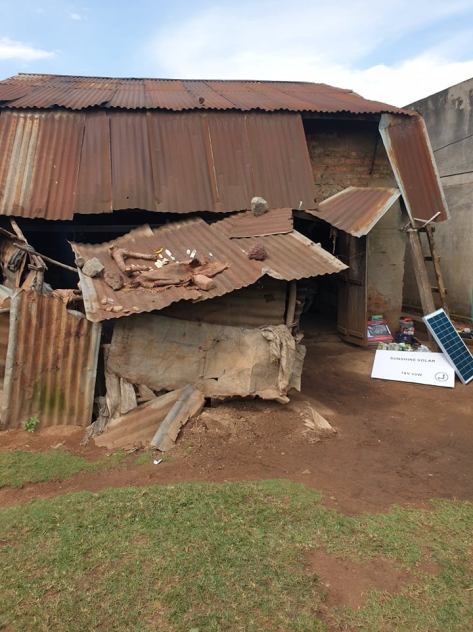
How are the houses? Most of them are bad and very bad. Still, they are their homes, and even though they do not compute to our minds, as one would say… they are better than nothing. Inside, they have their banana fibre mat and mosquito nets – and, at least for the night, they are somewhat safe.
What about the first one and second one? Those are hard.
Water. You can drink water from mostly anywhere, but that water is unsafe. People take water in 20L plastic jerrycans (in which, once, there was oil) from the lake, from certain streams, from the boreholes – the safest solutions, but which are not free. You could say – yes, but why don’t people make more boreholes? Basically, because it is very expensive to make one ($4000-$8000), for a borehole going as deep as 25m (85 ft) – and it has to be executed by a professional.
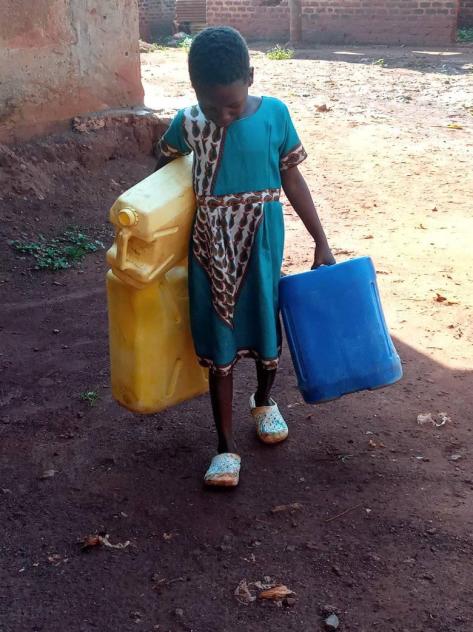
Apart from that, you need to own the land on which the drill is executed, as one cannot go about drilling on public ground. Usually, children are those who are being sent to fetch water. Have you ever observed the arms of the children, in the numerous pictures I post? They have well-defined muscles, they are strong and apt at lifting weights which might be difficult for you, a fit, healthy adult. Children weighing barely 20 kg can carry two jerrycans, 20 L each, from the water-pump to their homes, because… well because there is no other choice.
And then again, there is the sad case of children who linger around the water-source, asking you if they can carry your jerrycan, for some coins – that is their daily sustenance, IF they are lucky. And yes, that is cruel, that is child-labour, but it is how life unfolds there: no mercy.
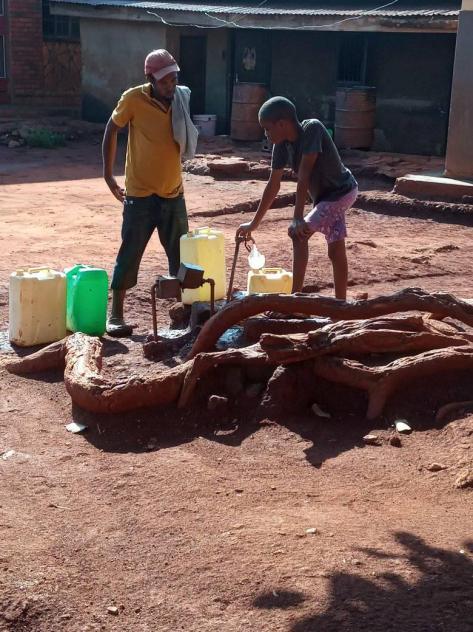
But is this water good to drink? Yes and no. The deeper the borehole, the safer the water. But if you procure it from a lake (and I have seen it happen) or if the water-source is contaminated, your life is, once again, in danger.
What about bottled water? It exists, and it is considered a luxury. In my own country, the kitchen-sink faucet water is good to drink. Let us ponder over this, and if our souls ache, it is for good reasons: we have become aware that we live in pure luxury.
Food. What do people eat? The food itself is not expensive – the equivalent of what you spend on one Saturday morning at the supermarket is enough to cover food for a month over there. It is THAT cheap, and yet many people cannot afford anything, because they have no income, no source of funds. Those who have a small vegetable garden are fortunate; they can sell some of it, they can eat what they grow, they can make do, but those are not many.
We buy maize flour, rice, beans, matooke (bananas for cooking), fruit like pineapple, bananas, oranges or mango, eggs, cow meat when we can. The problem with the cow meat (or any other form of meat) is that it needs to be cooked and eaten fast, as people do not possess refrigerators (or electricity for that matter).
One of the main foods is posho – maize flour cooked with water until it reaches a dough-like consistency. It accompanies nearly anything, or it can be served with a sauce made of a few beans, or meat, or veggies (in lucky cases). In orphanages, the main food is posho with beans, each day, the same thing over and over again… still, no one complains, because eating something is a real treasure that needs to be valued, even if that treasure does not change for days or even years.
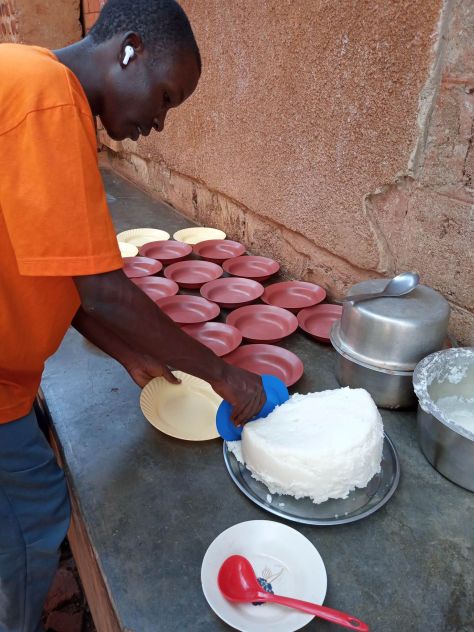
Do they use forks, plates and the usual tools? Children eat with their hands until late in their childhood. Rarely have I seen someone use a fork – they are unessential tools. In a way, they do not own anything that is not strictly essential to survival, be it even a simple knife to portion the posho.
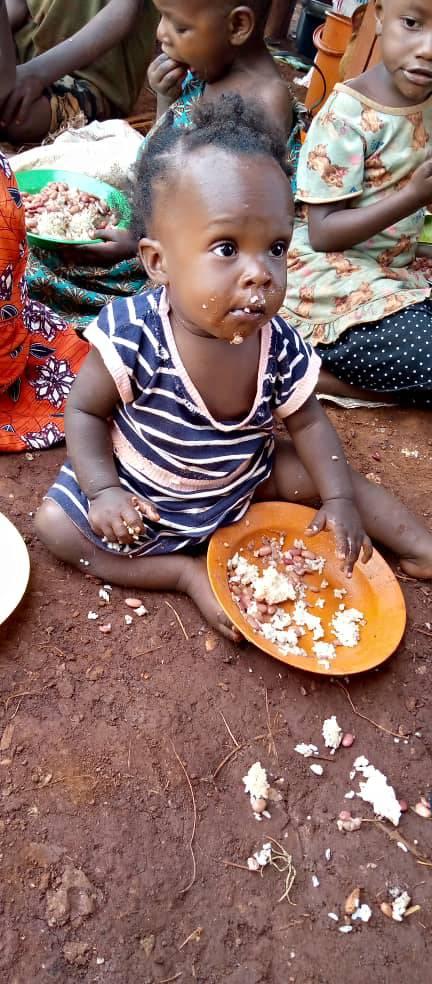
But what about people who have nothing to eat? How do they survive?
They don’t.
Veronica Anghelescu
Humanitarian Worker, Ethnologist
Dear Friends,
We are being affected by the Social Media outage today, October 4, 2021.
We haven’t gone anywhere, the children are fine, so is the team.
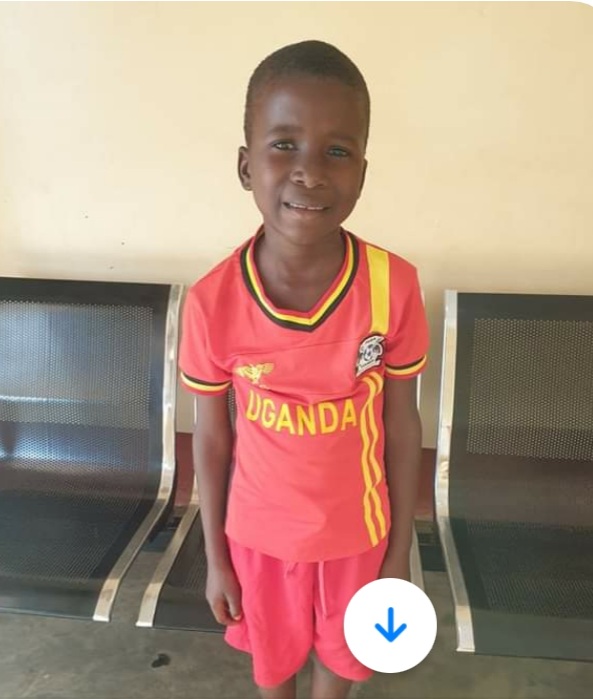
Enjoy a picture of Alibaikiriza Miriam Dishy, in her football t-shirt, because girls love football too 🥰
With love,
Veronica
A while ago, two of our children came to us to advise they have been experiencing eye problems. The younger gil, Shakira Favour, has a dot on her eye which can be anything from a foreign object to a discoloration or even a tumour. The boy had his eyes teary and irritated, and the vision blurry.
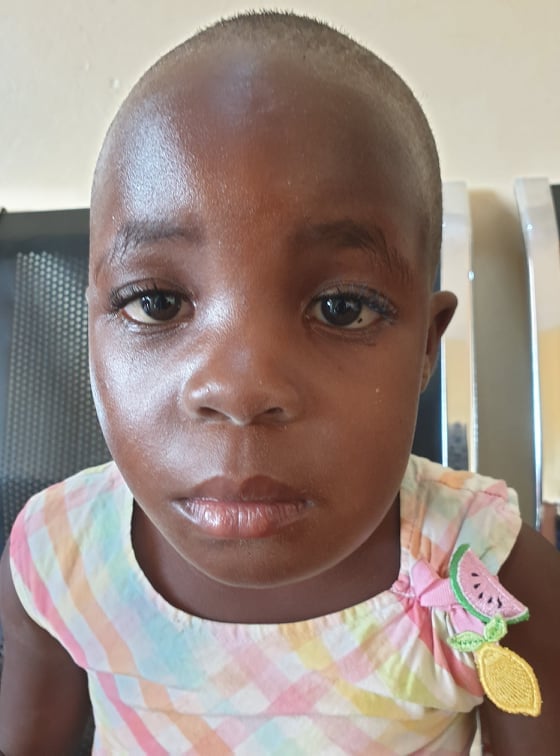
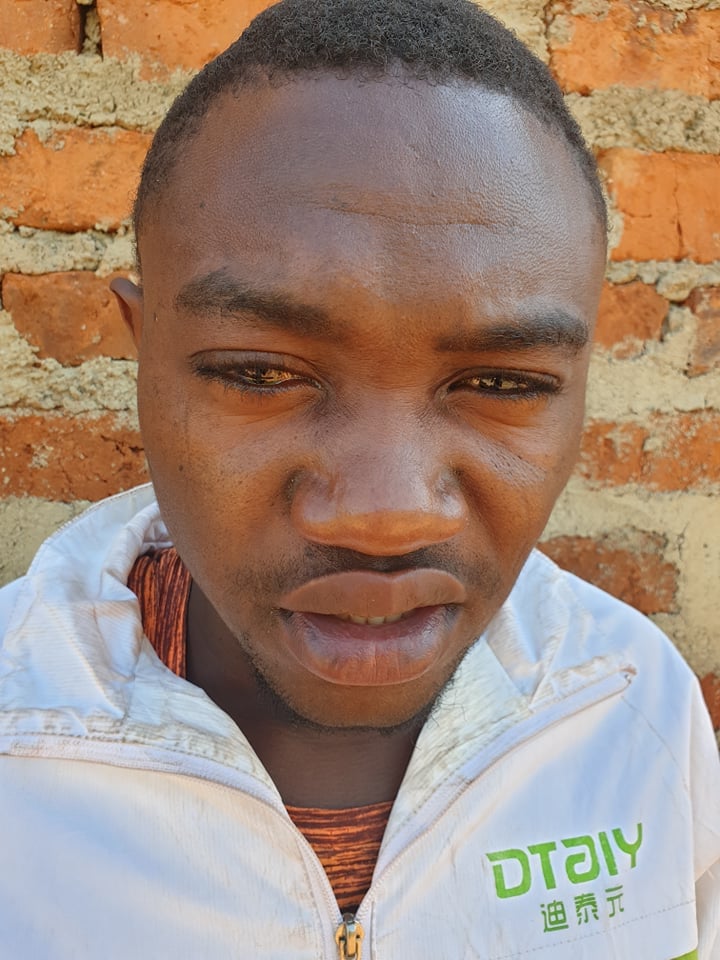
After Veronica has fundraised a small amount necessary for the trip and treatment, the children were taken by Mugoya to the eye-hospital in Tororo, where both children were admitted for further investigation.
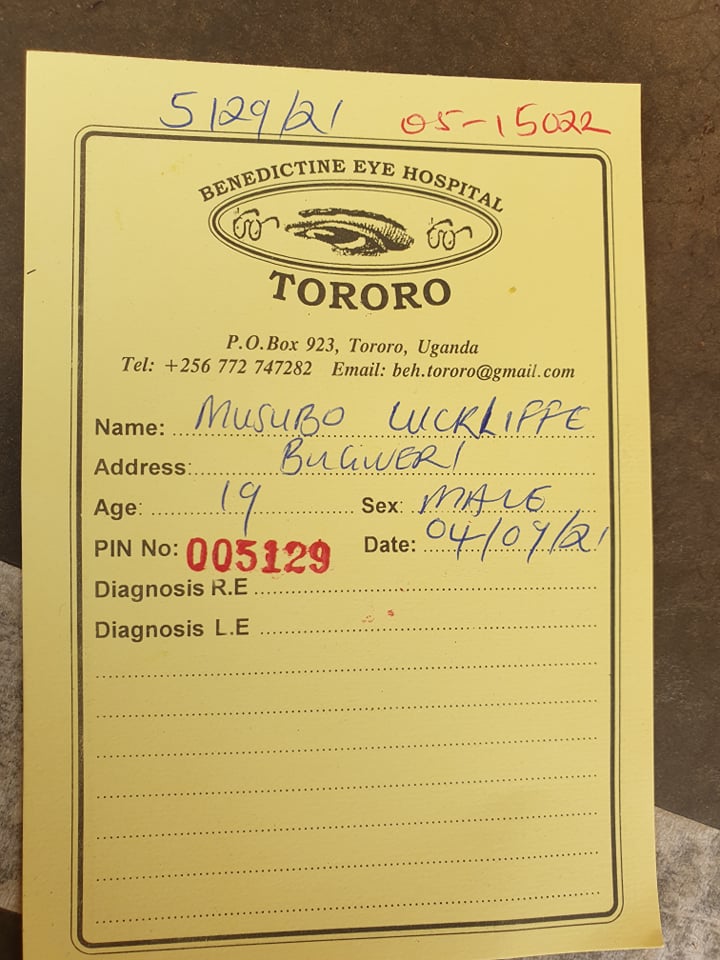
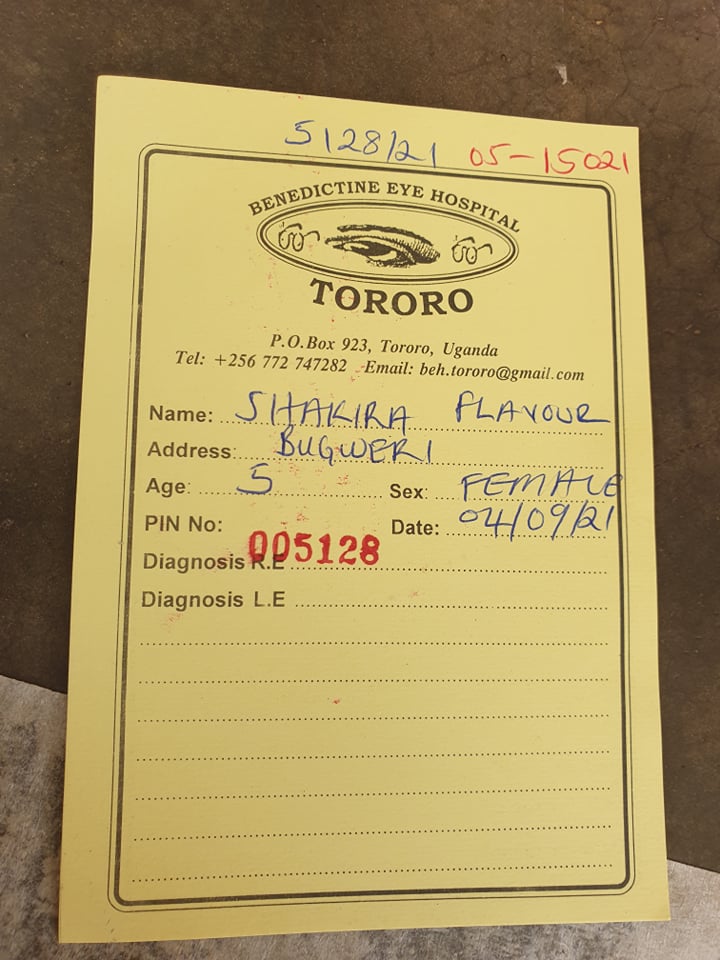
It turned out that Wickliffe had a piece of glass stuck in his eye, which was carefully removed. It is not eyt clear what Shakira had, but she received treatment and we will see progress of her situation in two weeks time.
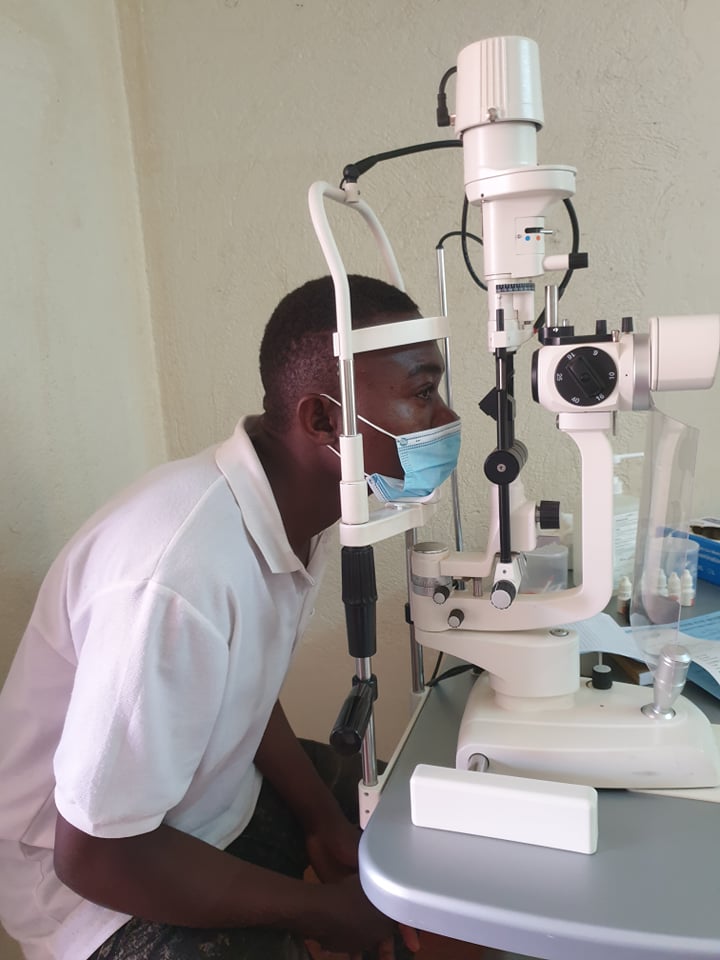
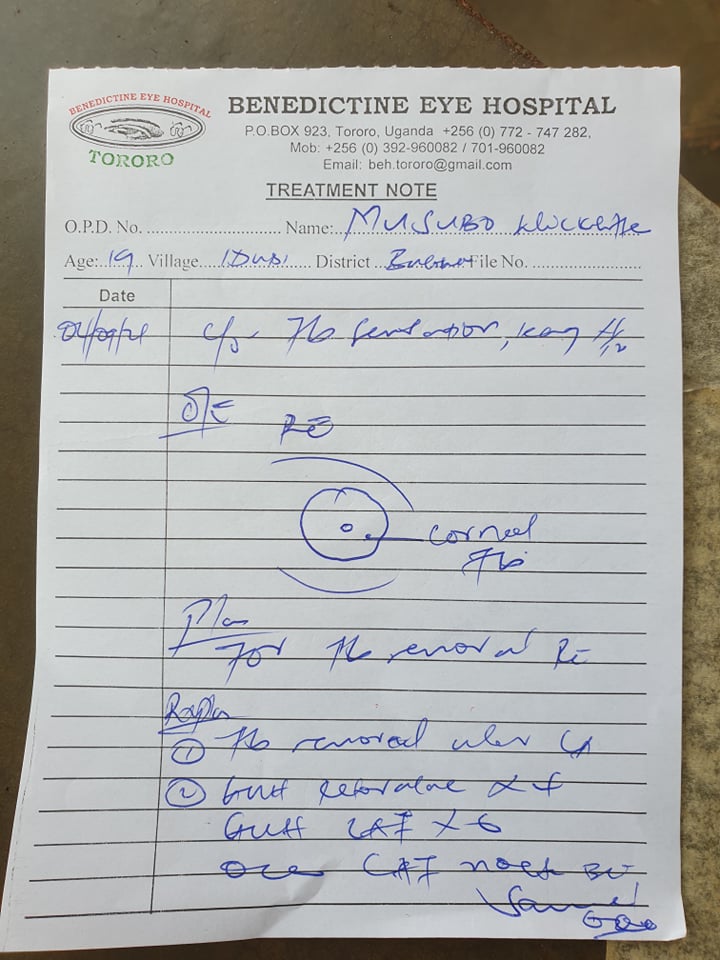
Finally, both children received a very tasty lunch and returned home. We are waiting to see progress and results of the treatment received, and they have already advised that they are feeling better.
It was a very good day in our activity and we would like to thank all the good friends that made this intervention possible.
Please consider donating to help one of our children! You will see the results right here.
With love and gratitude,
Veronica and Mugoya
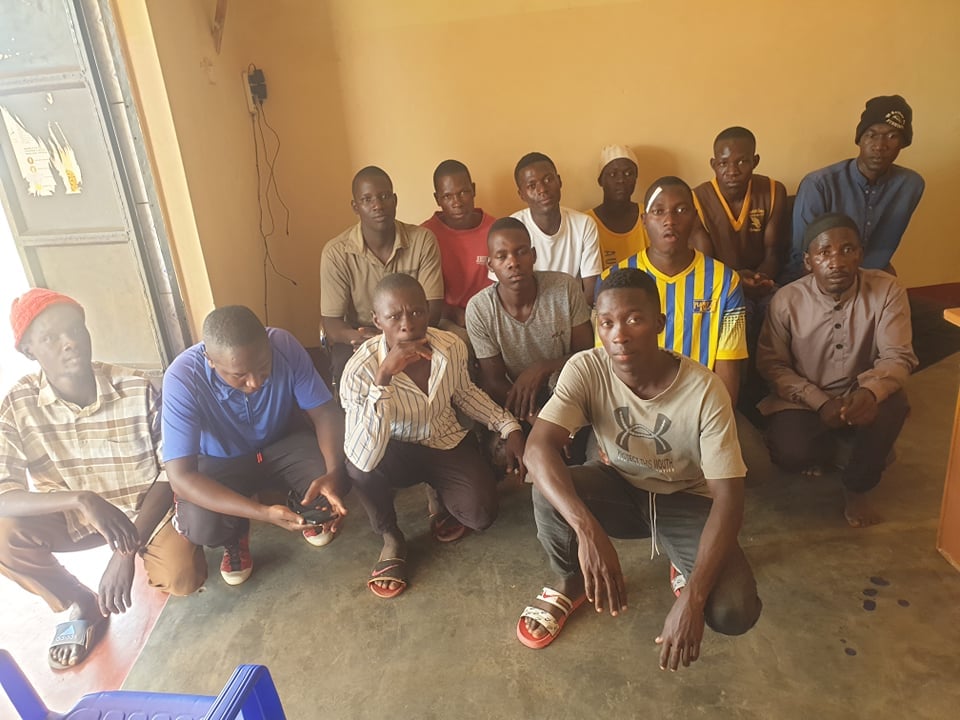
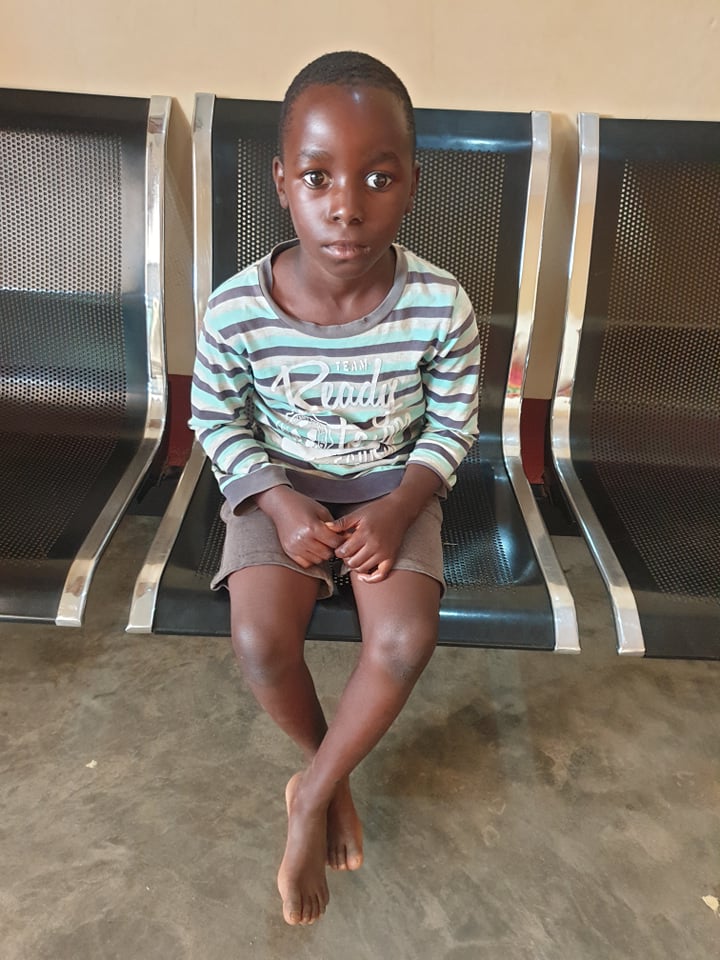
Sometimes, the pictures speak better than words, so we are simply letting you enjoy the beautiful pictures and the children’s smiles.


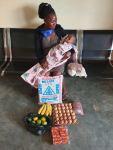
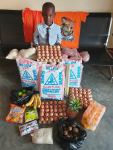

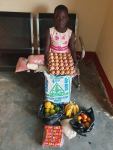
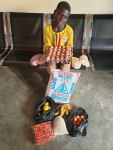
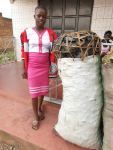
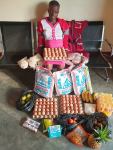

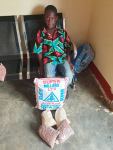

I should do a better job at updating the website, but the workload is so huge and I am alone. The main focus is to feed the children.
Since the beginning of the year, each day without a single pause, we have been feeding an average of 30 children per day. We also take up medical cases now – of children and adults coming to us with their last hope, suffering from various maladies. We do our best to help them, and so far we have succeeded.
Our aim, our single aim is to improve and save lives – according to each situation that is presented to us. Many people have it on their bucket list. “Save someone’s life!” What if I told you that a simple donation of 10 euros can save a child’s life? Because 10 euros translates into about 15 kg of grains, that can be used to feed a small child for a month.
In Uganda, there currently is a very strict lockdown. People are forced to stay at home, they cannot go to work. While we cannot disagree with the decisions of the law, we know that before dying of Covid, people will starve to death in their houses. They cannot work in the fields, they cannot go fishing, everything is forbidden. Some children survive on contaminated water, insects and cattle food.
Africa is there, far away, and I am here, in my comfortable little apartment, having a job, enough food and everything those people cannot even imagine. I cannot let them starve to death, no matter how much effort it takes. It takes a huge toll on my emotional balance, because I have no detachment; it torments me to see children or elderly suffering from malnutrition, so thin that there is barely some skin covering their fragile bones.
Do you want to save a life? Do you have just some spare change – but you want to make a difference? Do it. I will show you the results.